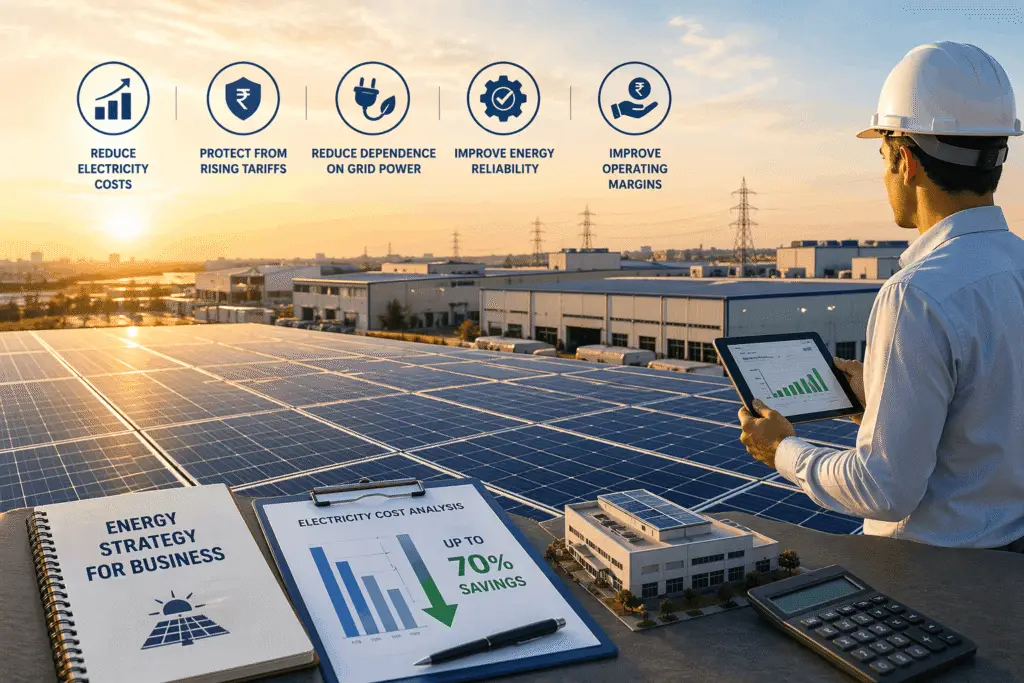
Solar energy has become one of the most practical ways for organisations to reduce electricity costs, improve energy reliability, and support sustainability goals. As solar technology continues to mature and adoption increases across industries, more businesses are exploring solar power as part of their long-term energy strategy.
However, installing a solar system is not simply a technical upgrade. It is an infrastructure decision that affects energy costs, operational planning, and facility management for decades.
Before implementing a solar project, organisations should carefully evaluate several important factors to ensure that the system is technically feasible, financially viable, and capable of delivering reliable performance over its operational life.
Understanding Energy Consumption Patterns
The starting point for any solar project is understanding how electricity is consumed within the facility.
Energy consumption patterns vary widely depending on the type of operations, working hours, equipment usage, and seasonal demand. Analysing historical electricity consumption helps determine the appropriate system size and configuration.
If a solar system is undersized, it may not generate enough electricity to significantly reduce grid dependence. On the other hand, oversizing the system beyond actual consumption needs can lead to underutilised generation capacity.
Accurate energy analysis ensures that the solar installation is aligned with the facility’s operational requirements.
Evaluating Site Conditions
The physical characteristics of the installation site play an important role in determining the feasibility of a solar project.
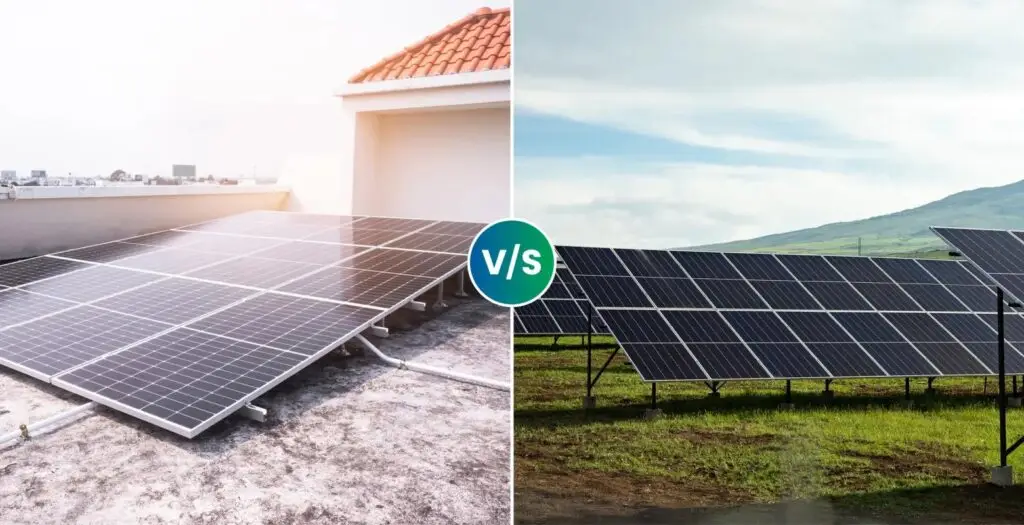
For rooftop solar systems, structural integrity of the building must be evaluated to ensure that the roof can safely support the additional load of solar modules and mounting structures. Roof orientation, shading from surrounding structures, and available installation area also influence system performance.
For ground-mounted solar systems, factors such as land availability, soil conditions, drainage patterns, and site accessibility must be assessed.
A detailed site survey allows engineers to determine the most suitable system layout and optimise the installation for maximum energy generation.
Choosing the Right System Configuration
Solar power systems can be implemented in several configurations depending on energy requirements and site characteristics.
Some organisations install rooftop solar systems to utilise available building space, while others develop ground-mounted installations where land is available. In certain cases, a combination of both approaches may be used to meet higher electricity demand.
The choice of system configuration should be based on technical feasibility, energy requirements, and long-term operational considerations rather than simply maximising installed capacity.
Careful system design ensures that the solar installation integrates effectively with the facility’s electrical infrastructure.
Understanding Regulatory Requirements
Solar installations connected to the electricity grid must comply with applicable regulatory frameworks and utility requirements.
These requirements typically include obtaining approvals from the local electricity distribution company (DISCOM), installing appropriate metering systems, and ensuring compliance with electrical safety standards.
Regulatory processes may vary depending on the state and the size of the solar installation. Proper coordination with utilities is therefore an important part of project implementation.
Ensuring regulatory compliance from the beginning helps avoid delays and ensures that the solar system can operate smoothly once commissioned.
Evaluating Commercial Models
Solar projects can be structured under different financial models depending on the organisation’s investment strategy.
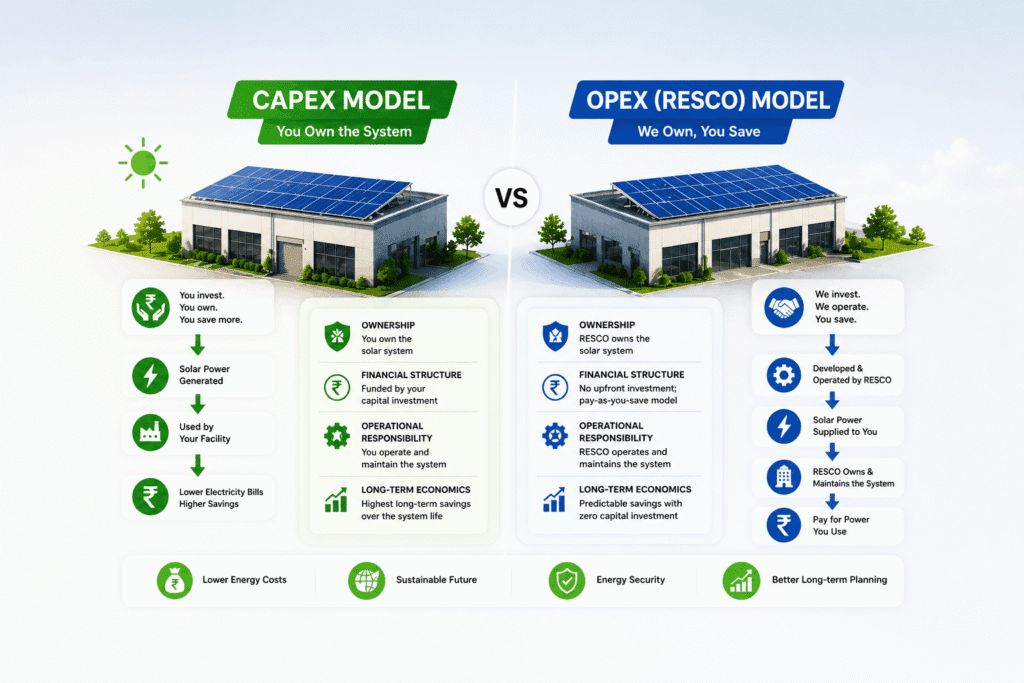
Under the CAPEX model, the organisation invests in the solar infrastructure and owns the system. This approach typically provides the highest long-term financial return.
Alternatively, the OPEX or RESCO model allows organisations to adopt solar power without upfront capital investment. In this structure, electricity generated by the solar system is purchased through a long-term agreement with the system owner.
Evaluating the appropriate commercial model requires balancing capital availability, long-term financial planning, and operational priorities.
Importance of Quality Components and Engineering
The long-term performance of a solar system depends heavily on the quality of components used and the engineering approach followed during system design.
Solar modules, inverters, mounting structures, electrical components, and protection systems must be selected carefully to ensure durability and reliability.
Equally important is the quality of installation and electrical integration. Proper cabling, earthing, system protection, and structural installation are critical to ensuring that the solar system operates safely and efficiently.
A professionally engineered system is far more likely to deliver consistent performance over its operational life.
Planning for Long-Term Operations and Maintenance
Solar installations require ongoing monitoring and periodic maintenance to maintain optimal performance.
Regular inspections, cleaning of solar modules, system diagnostics, and performance monitoring help ensure that the system continues to operate efficiently.
An effective operations and maintenance (O&M) plan allows potential issues to be identified early and resolved before they affect system performance.
Because solar systems are long-term assets, planning for maintenance from the beginning helps protect the value of the investment.
Treating Solar as Long-Term Energy Infrastructure
One of the most important considerations when installing a solar system is recognising that it is a long-term infrastructure asset.
A well-designed solar installation can generate electricity for more than twenty-five years. During this time, the system becomes an integral part of the organisation’s energy supply.
For this reason, solar projects should be evaluated not only for immediate cost savings but also for long-term reliability, regulatory compliance, and operational stability.
When approached with careful planning and disciplined execution, solar power can provide dependable electricity generation while helping organisations reduce energy costs and environmental impact.
Making Informed Solar Decisions
Solar energy offers significant benefits for organisations seeking to manage electricity costs and transition toward cleaner energy sources. However, successful implementation requires more than simply installing equipment.
By carefully evaluating energy consumption, site feasibility, regulatory requirements, commercial structures, and long-term maintenance needs, organisations can ensure that their solar investment delivers reliable performance for decades.
SolarEssentials approaches every project with this long-term perspective, helping organisations design and implement solar systems that function as dependable energy infrastructure rather than short-term installations.
For businesses planning their energy future, informed decisions during the early stages of solar adoption can make the difference between a system that merely generates power and one that delivers lasting value.